


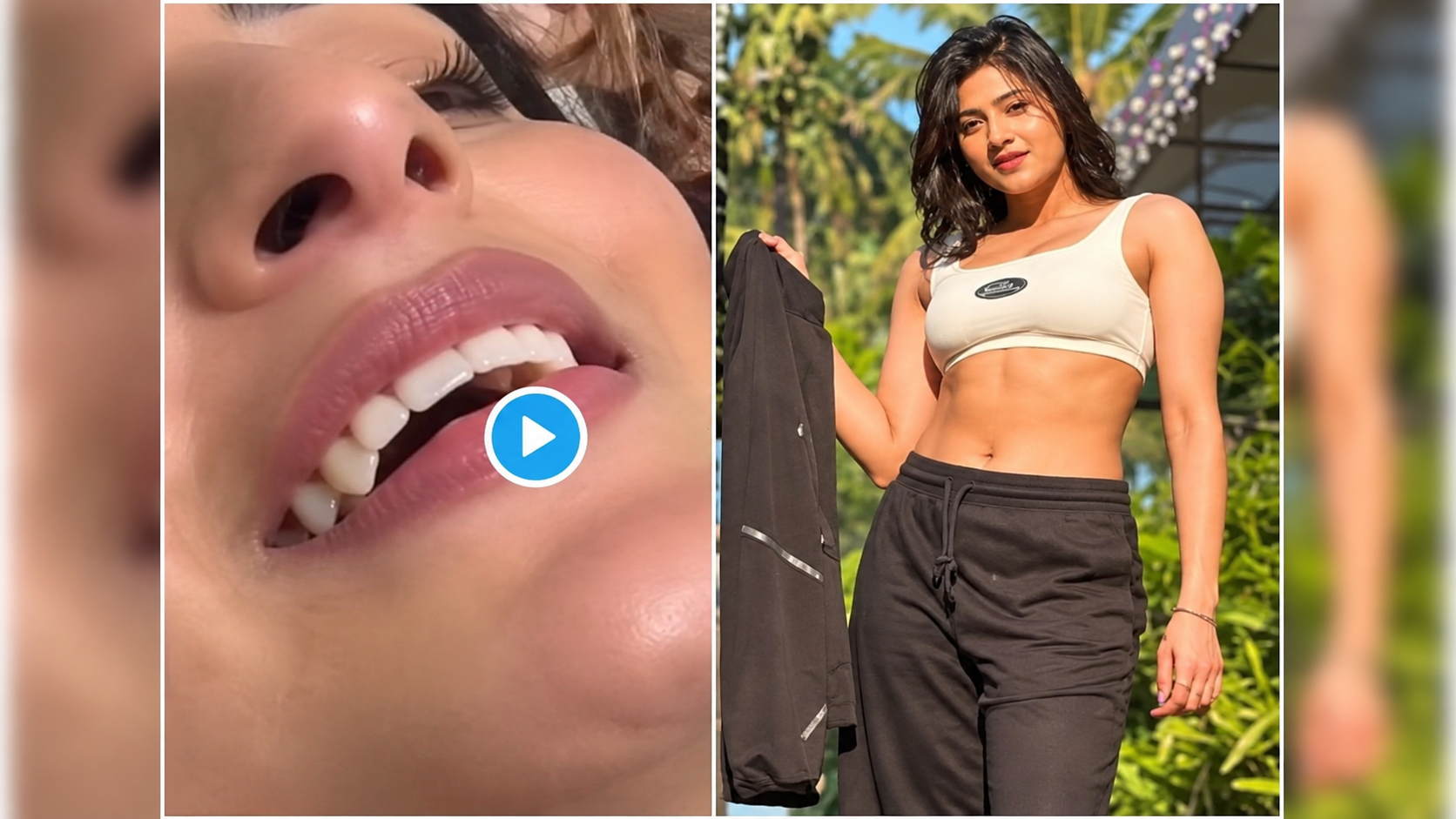
The internet has made it easier than ever for a video to reach millions of people within hours. But the same speed has also created a serious problem: fake videos can now look convincing enough to be mistaken for reality.
The experiences of influencers such as Anjali Arora and Payal Gaming have highlighted how damaging an unverified viral video can become. What may appear to be a few minutes of online entertainment can result in months or even years of trolling, harassment, reputational damage and emotional distress.
Anjali Arora's earlier fake MMS controversy has therefore become part of a much larger conversation about deepfakes, AI-generated content and responsible social media use.
Anjali Arora’s Fake MMS Experience
Anjali Arora became widely known after her popularity on social media, particularly following the viral Kacha Badam trend. Around three years before she spoke about the Payal Gaming controversy, a fake MMS was circulated online using her name.

Anjali repeatedly clarified that the video was not hers. However, she later revealed that the incident continued to affect her long after the initial viral wave had disappeared.
In December 2025, when a separate fake video controversy involving Payal Gaming emerged, Anjali said the incident brought back painful memories of what she had experienced herself. She explained that such incidents may provide people with a moment of entertainment, but the person targeted can continue dealing with the consequences for years.
Payal Gaming Deepfake Case Changed the Conversation
The issue gained renewed attention after gaming creator Payal Dhare, popularly known as Payal Gaming, became the subject of an allegedly intimate viral video.
The video was widely circulated online with claims that the woman shown was Payal. She denied being the person in the clip and urged people not to spread or speculate about it.
The case eventually moved beyond social media speculation.
According to Maharashtra Cyber Police, the video was analysed using technological tools and was found to have been tampered with and modified. The cyber department classified it as an AI-generated deepfake, and a criminal case was registered following Payal's complaint.
The development demonstrated why simply seeing a video online is not enough to establish that it is genuine.
What Is a Deepfake?
A deepfake is digitally manipulated or AI-generated content in which a person's face, voice or other identifying features can be altered or realistically inserted into another piece of media.
Advances in artificial intelligence have made such manipulation increasingly sophisticated.
This means that photographs and videos that appear convincing at first glance may still be fabricated.
The danger becomes even greater when such material involves celebrities, influencers or private individuals because a large audience can amplify the content before its authenticity is checked.
Why Fake MMS Videos Spread So Quickly
There are several reasons why fake intimate videos attract enormous attention online.
First, sensational claims encourage curiosity. People may click on a post simply because it claims to feature a familiar personality.
Second, social media algorithms can amplify content that receives large numbers of views, comments and shares.
Third, users sometimes forward content without checking whether the original claim has been verified.
Once a misleading video has been copied across multiple platforms, removing the original post may not be enough to stop its circulation.
This creates a dangerous cycle in which a false claim can appear credible simply because thousands of people are discussing it.
The Biggest Mistake Is Sharing Before Verification
One of the most important lessons from these controversies is that users should not treat viral content as verified information.
A video being widely shared does not prove that it is authentic.
Similarly, a screenshot, social media post or anonymous account making a claim is not reliable evidence.
Before believing a sensational video, users should look for confirmation from credible news organisations, official statements, police authorities or the person allegedly shown in the footage.
In Payal Gaming's case, for example, the police investigation ultimately provided far more reliable information than the initial social media speculation.
AI Has Made Fake Content Harder to Identify
Earlier forms of manipulated content could sometimes be identified through obvious editing mistakes. Modern AI tools, however, can create much more convincing material.
Faces can be digitally altered, voices can be cloned and images can be generated from scratch.
As a result, users should become more cautious about accepting visual content as automatic proof.
This is particularly important when a video suddenly appears without a credible source and is accompanied by sensational claims about a public figure.
What Should You Do If You Receive a Fake Video?
If an alleged private or intimate video appears in your social media feed, the safest response is simple: do not download it, forward it or upload it elsewhere.
Instead, users can report the post or account through the platform's reporting system.
If someone is being impersonated or targeted by manipulated content, preserving relevant evidence such as screenshots, post links and account details can also help when reporting the incident to the appropriate authorities.
Most importantly, the person appearing in the alleged video should not automatically be blamed.

Anjali Arora’s Story Is Bigger Than One Viral Controversy
The significance of Anjali Arora's experience goes beyond her own case.
Her comments after the Payal Gaming controversy showed how the impact of fake online content can continue long after the internet moves on to its next trend.
Anjali said that she continued to face consequences from the fake MMS controversy, including professional difficulties and online abuse. Her experience illustrates how quickly an unverified claim can cross over from social media gossip into someone's real life.
From Celebrity Scandals to Everyday Digital Safety
Deepfakes are no longer only a celebrity problem.
As AI-generated content becomes easier to create, ordinary social media users can also become targets of manipulated photographs, videos and audio.
This makes digital literacy increasingly important.
Users should question sensational claims, check the source, avoid forwarding unverified material and remember that viral does not mean true.
The Real Lesson Behind Fake MMS Controversies
The stories involving Anjali Arora and Payal Gaming underline the same fundamental point: a few seconds of manipulated content can create years of consequences for the person targeted.
The technology behind deepfakes will continue to evolve, but responsible internet behaviour can remain simple.
Before sharing a shocking video, stop and verify.
Before believing an anonymous claim, look for credible evidence.
And before turning someone else's alleged private life into entertainment, remember that there may be a real person facing the consequences on the other side of the screen.
The Anjali Arora fake MMS controversy, therefore, is best understood not simply as an old celebrity scandal, but as part of the much bigger and still-relevant conversation around AI deepfakes, online harassment, misinformation and digital responsibility.
Click here for the latest news from Bollywood, Hollywood, South Film Industry, Bhojpuri and TV world… Click here to join the Facebook Page, Twitter Page, YouTube page, and Instagram of Bollywood Mascot!


Leave a Comment