


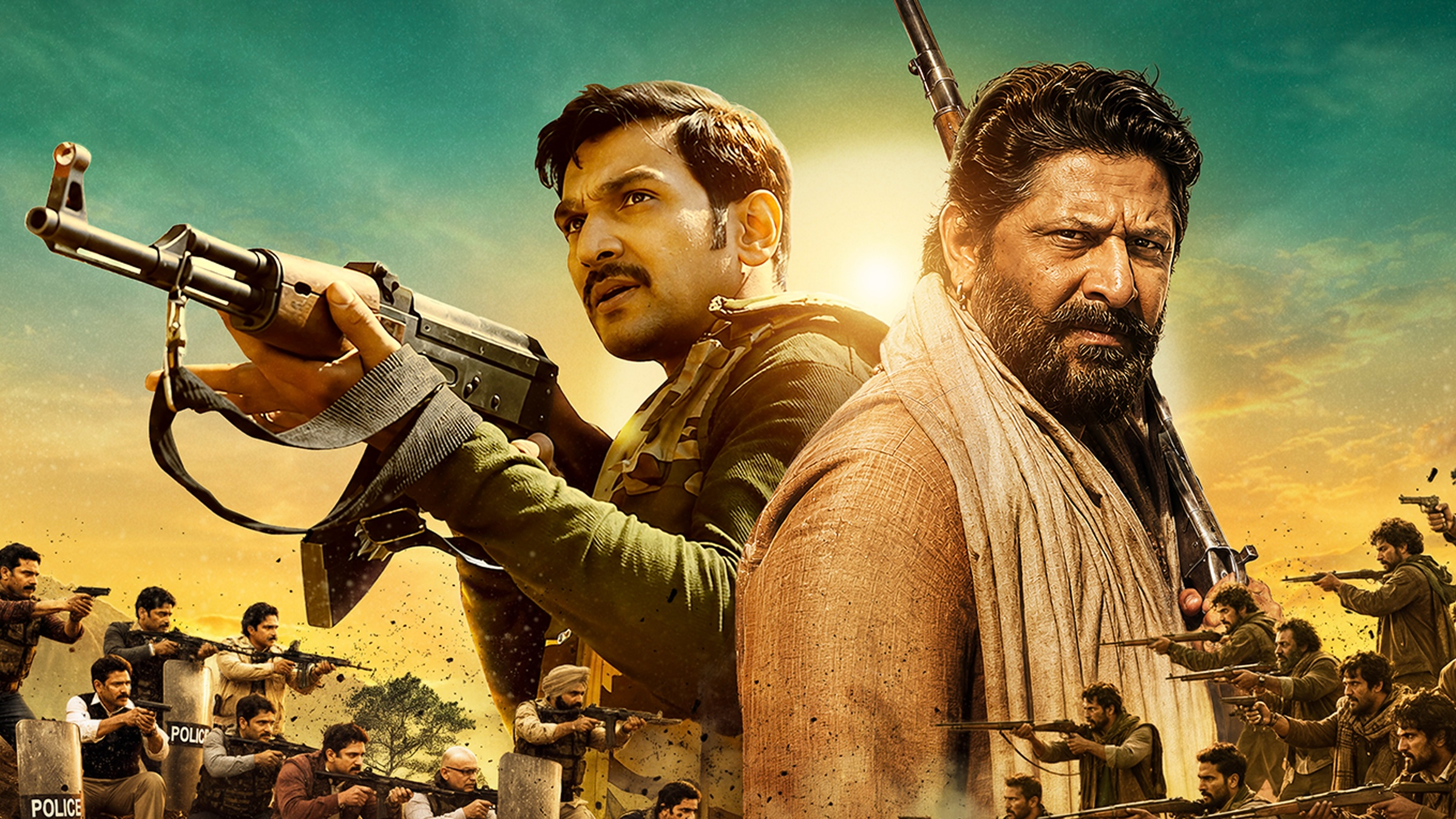
Arshad Warsi and Pratik Gandhi have opened up about an unusual casting trend they have encountered in the Hindi film industry. While discussing their new film Ghamasaan, the actors spoke about casting requirements that sometimes focus heavily on whether an actor looks wealthy, polished or “upmarket.”
The conversation has drawn attention because both actors questioned whether appearance should become such an important factor when filmmakers are searching for performers.
Their comments also raise a wider discussion about the difference between an actor’s real-life appearance and the requirements of a character written for a film.
The “Rich-Looking” Casting Requirement
According to the discussion, casting notices and industry requirements can sometimes ask for performers who appear affluent or sophisticated, particularly for characters from wealthy backgrounds.
Arshad Warsi and Pratik Gandhi questioned the logic behind such specifications. The actors suggested that focusing on whether someone looks rich could unnecessarily restrict the casting process.
For performers, the ability to convincingly portray a character involves much more than physical appearance. Acting skills, preparation, dialogue delivery and an understanding of the character can also determine whether an actor fits a role.
The issue has therefore become part of a larger conversation about how casting decisions are made in the industry.
Why Arshad Warsi Finds the Idea Problematic
Arshad Warsi has previously spoken about how actors can become trapped by industry perceptions. He recently discussed being associated strongly with comedy despite having worked across different genres.
The actor said that being identified primarily as a comedian limited him as an artist, even though comedy also brought him professional success.
Warsi pointed out that typecasting is not restricted to comedy. According to him, action stars can also become associated mainly with action roles, while romantic actors may have to work hard to establish themselves in different kinds of characters.
His comments about casting fit into this broader perspective: actors can be placed into categories based on how the industry perceives them rather than solely on their ability.
Pratik Gandhi’s Approach to Different Roles
Pratik Gandhi has also built a career around characters that require him to move away from conventional Bollywood hero stereotypes.
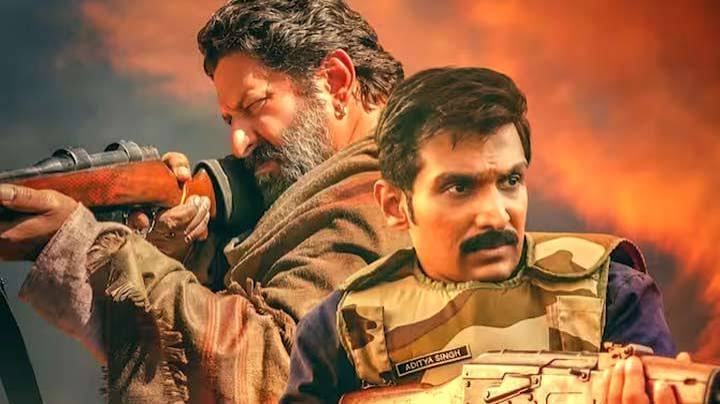
In Ghamasaan, he plays IPS officer Aditya, a character who is involved in a cat-and-mouse conflict with Maharaj, a feared dacoit played by Arshad Warsi.
Gandhi has described the role as different from the stereotypical police characters commonly seen in films. Rather than relying entirely on physical strength and action, his character deals with internal conflicts, difficult decisions and a complicated relationship with the system he serves.
That approach reflects the actor’s interest in characters where performance and personality matter more than a conventional star image.
Ghamasaan Brings Arshad and Pratik Together in Different Ways
Directed by Tigmanshu Dhulia, Ghamasaan centres on the conflict between Maharaj and Aditya. Interestingly, the two actors did not actually shoot together for the film.
The story keeps the characters separated, with the tension developing through their respective journeys and actions. Dhulia has explained that this approach suited the narrative because Maharaj is a figure who has remained difficult to track.
The decision also allowed Warsi and Gandhi to develop their characters independently while their conflict remained central to the story.
Arshad Warsi’s Move Beyond Comedy
Arshad Warsi has frequently discussed the challenge of being recognised primarily for his comic performances. While audiences know him for characters in films such as Munna Bhai M.B.B.S., Lage Raho Munna Bhai and Jolly LLB, he has also appeared in serious and dramatic projects.
His role as Maharaj in Ghamasaan gives him another opportunity to explore a darker character.
Warsi has credited Tigmanshu Dhulia with recognising his potential for such roles. The director previously worked as a casting director and had known Warsi since the actor's early career.
The actor has said that opportunities to play unusual characters do not come frequently, making projects such as Ghamasaan particularly meaningful for him.
What the Debate Says About Casting
The comments from Arshad Warsi and Pratik Gandhi bring attention to a practical question in the entertainment industry: how much should an actor’s appearance influence casting?
For some characters, physical appearance is obviously relevant to the story. A filmmaker may need an actor to convincingly represent a particular age, profession, social environment or personality.
However, a broad requirement that performers simply look wealthy or “upmarket” can be more subjective. What appears affluent to one casting team may not necessarily have any connection with an actor’s ability to portray the character.
This is where the discussion around casting becomes more complicated.
Acting Ability Versus Screen Image
The debate also highlights the difference between an actor’s screen image and their actual range.
Many performers become strongly associated with certain types of roles because of successful performances. While that recognition can help their careers, it can also influence what filmmakers believe they are capable of playing.
Arshad Warsi’s career is one example of this dynamic. His popularity in comedy has remained an important part of his identity, while his dramatic performances have demonstrated another side of his work.
Similarly, Pratik Gandhi has taken on characters that do not necessarily fit the conventional image of a Hindi film hero.
Ghamasaan Gives Both Actors a Different Space
With Ghamasaan, Arshad Warsi and Pratik Gandhi are playing characters positioned on opposite sides of a conflict. Warsi plays Maharaj, while Gandhi portrays IPS officer Aditya.
The film, directed by Tigmanshu Dhulia, is rooted in the Hindi heartland and explores the confrontation between a police officer and a dacoit.
Beyond the film itself, the actors’ comments about casting have added another dimension to its promotion. Their discussion has opened up questions about typecasting, appearance-based requirements and the importance of giving performers opportunities beyond predetermined images.
For actors like Warsi and Gandhi, the conversation reflects a larger industry challenge: finding roles based on what performers can bring to a character rather than relying too heavily on a fixed screen image.
Click here for the latest news from Bollywood, Hollywood, South Film Industry, Bhojpuri and TV world… Click here to join the Facebook Page, Twitter Page, YouTube page, and Instagram of Bollywood Mascot!


Leave a Comment