


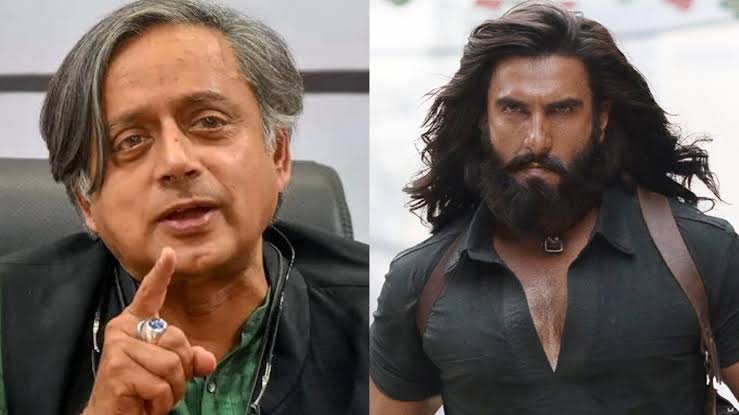
Ranveer Singh’s Dhurandhar franchise has once again become a topic of discussion, this time after Congress MP Shashi Tharoor shared his assessment of the two films. While the politician praised their storytelling and cinematic execution, he also raised concerns about the political messaging and graphic violence depicted in the movies.
In a video shared on his official YouTube channel, Tharoor discussed both instalments of director Aditya Dhar’s spy thriller franchise. The first film was released in December 2025, followed by Dhurandhar: The Revenge in March 2026.
Tharoor described the sequel as particularly entertaining and appreciated the twists and turns in its narrative. However, he questioned whether the films needed to depict so much bloodshed and cruelty to communicate their stories.
His remarks have added another perspective to the debate surrounding the franchise, which has enjoyed considerable commercial success while attracting mixed reactions over its portrayal of India-Pakistan relations.
Why Did Shashi Tharoor Call Dhurandhar a Propaganda Film?
One of the most significant aspects of Tharoor’s reaction was his criticism of the films’ political messaging. He acknowledged that Dhurandhar contains elements of propaganda and expressed concern about how its portrayal of Pakistan could influence audiences.
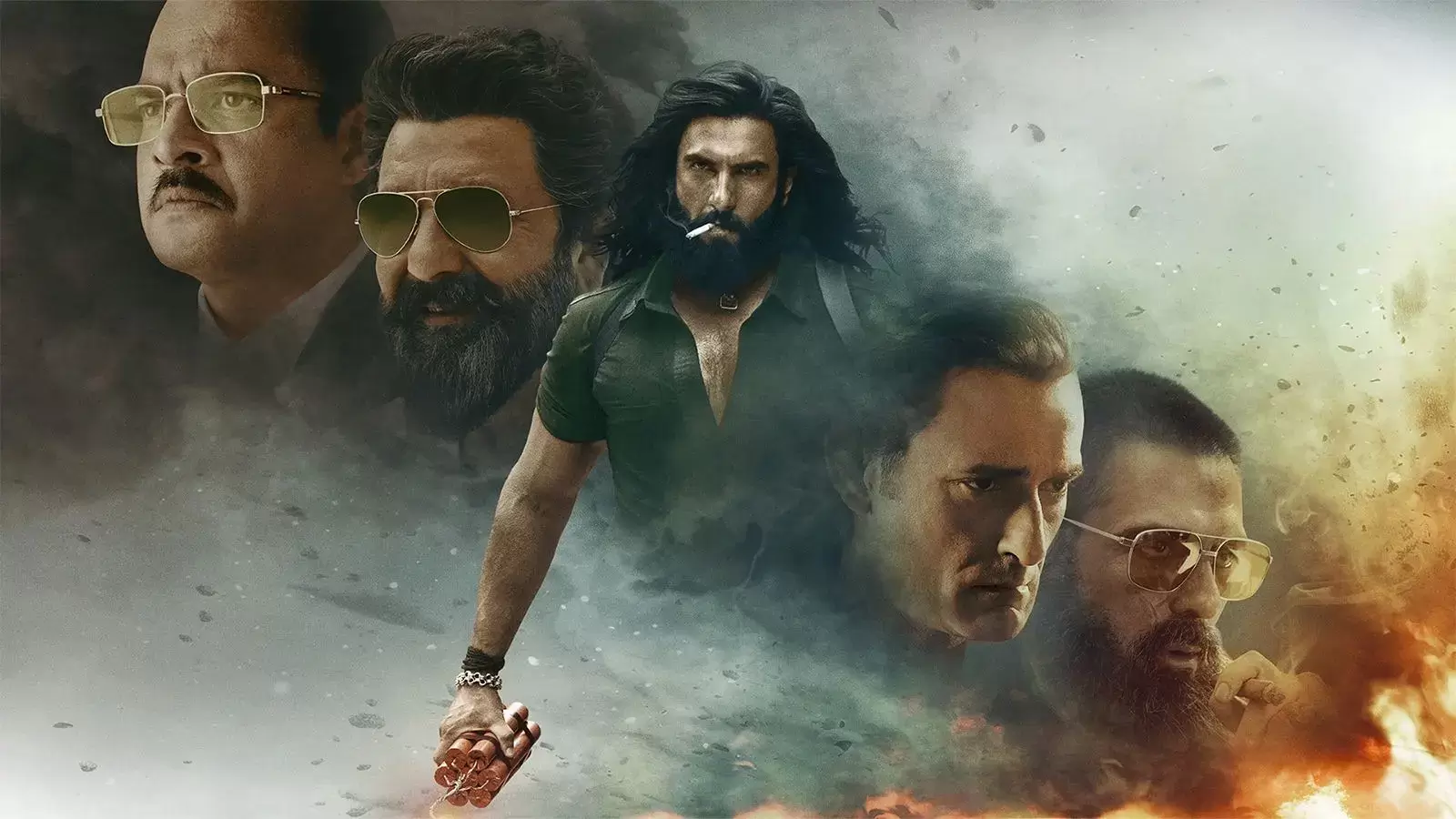
The franchise follows an undercover Indian intelligence operative navigating dangerous missions and criminal networks. Its storyline incorporates espionage, national security and tensions between India and Pakistan, providing the backdrop for its action sequences.
Tharoor suggested that some aspects of the films could create negative perceptions between people in the two countries. He also referred to reports that the films had faced restrictions in Pakistan and some Gulf countries, although the circumstances and scope of such restrictions vary by territory.
The politician’s comments reflect his interpretation of the films rather than an established conclusion about their overall purpose. The debate over whether a movie constitutes propaganda often depends on how viewers interpret its narrative, political themes and representation of real-world events.
Tharoor Questions the Excessive Violence in Both Films
Beyond the political messaging, Tharoor was particularly critical of the graphic violence shown throughout the franchise.
He argued that the story could have been told without repeatedly relying on disturbing scenes involving bloodshed, cruelty and brutality. Although he recognised the films as works of fiction and entertainment, he felt that some sequences went too far.
His criticism highlights an ongoing debate in Indian cinema about the role of graphic violence in action films. While some viewers appreciate realistic and intense depictions of conflict, others believe excessive brutality can overshadow character development and the central story.
Tharoor’s response was not entirely negative, however. He praised the films’ narrative structure, plot twists and technical execution, making it clear that his concerns did not prevent him from appreciating their cinematic strengths.
What Did Tharoor Say About Pakistani Audiences?
Tharoor also wondered how audiences in Pakistan might respond if they watched the films. He suggested that some dialogue could be received with humour, while other scenes might prompt viewers to consider the actions portrayed as having been carried out in their country’s name.
His remarks reflect the sensitivity surrounding films that depict cross-border conflict and national security operations. Stories involving India and Pakistan can generate strong reactions because they intersect with historical disputes, political differences and national identity.
At the same time, audience responses cannot be predicted uniformly. Viewers may interpret the same film differently depending on their personal experiences, political outlook and understanding of the events being portrayed.
Tharoor’s comments therefore add to the wider conversation about how filmmakers handle politically sensitive subjects and how their stories may be received beyond their primary domestic audience.
Shashi Tharoor Compares the Film With His Experience of Intelligence Officials
Tharoor also discussed how the films portray intelligence operations, comparing their dramatic depiction with his own interactions with intelligence officials.
He said his experiences had involved conversations, analysis and exchanges of information rather than the dramatic covert operations shown on screen. His comments highlighted the distinction between cinematic storytelling and the realities of intelligence work.
He also questioned the plausibility of certain elements involving R Madhavan’s character, which has been associated with National Security Advisor Ajit Doval. Tharoor suggested that the continuity of command depicted in the films did not necessarily reflect the way government institutions operate over extended periods.
However, Dhurandhar remains a fictionalised spy thriller, and its dramatic narrative should not automatically be treated as a factual account of intelligence operations.
Dhurandhar’s Success Continues Despite Divided Opinions
Despite the criticism, the Dhurandhar franchise has emerged as a major commercial success. Ranveer Singh leads a prominent ensemble cast that includes Akshaye Khanna, Arjun Rampal, Sanjay Dutt and R Madhavan.
Tharoor praised the performances, particularly those of Akshaye Khanna and Arjun Rampal, while also acknowledging the films’ impressive production design and direction.
His reaction illustrates how a film can receive praise for its entertainment value while facing criticism over its political themes and depiction of violence. As discussions around Dhurandhar continue, the franchise remains at the centre of a broader debate about cinema, patriotism, propaganda and creative freedom.
Click here for the latest news from Bollywood, Hollywood, South Film Industry, Bhojpuri and TV world… Click here to join the Facebook Page, Twitter Page, YouTube page, and Instagram of Bollywood Mascot!

Leave a Comment