


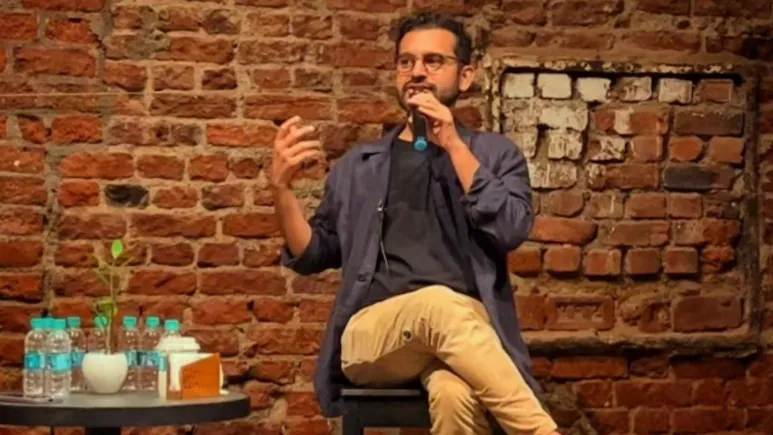
Why are Bollywood romantic films finding it difficult to connect with younger audiences? Filmmaker Shakun Batra has shared his perspective on the changing relationship between viewers and love stories on screen. According to the director, one major reason is that Hindi cinema has spent years presenting an overly simplified version of romance that does not always reflect real relationships.
In a conversation with HT City, Batra discussed how international shows such as Off Campus and Sterling Point have attracted young Indian viewers, while recent Bollywood romances have struggled to create the same level of connection. He believes the problem is not simply about following trends or trying to understand what younger audiences want. Instead, filmmakers need to tell stories that feel honest and emerge from their own experiences.
Batra, who recently directed a story about a complicated relationship between two people in their twenties in Lust Stories 3, also explained why he prefers authenticity over creating films solely to satisfy audience expectations.
Shakun Batra Says Bollywood Has Simplified Love
According to Batra, Bollywood has often presented love through an idealised formula: two people meet, discover that they are soulmates and begin a life in which everything eventually falls into place.
However, real relationships rarely follow such a straightforward path. People bring different expectations, insecurities, personal histories and emotional needs into relationships. Even when two people genuinely love each other, they can experience disagreements, misunderstandings and difficult phases.
Batra believes the gap between cinematic romance and real life can leave audiences disappointed when they expect relationships to unfold like the stories they have watched on screen.
He suggested that cinema has done audiences a disservice by repeatedly simplifying love over the past decade or longer. When films portray romance as the solution to every problem, viewers may struggle to relate to stories that do not acknowledge the complexities of everyday life.
His comments do not suggest that idealistic love stories have no place in cinema. Rather, they highlight the importance of exploring relationships beyond the familiar promise of a perfect soulmate and a happily ever after.
Why Young Audiences Are Not Connecting With Bollywood Romance
The changing tastes of younger viewers have become an important subject of discussion in the entertainment industry. International romantic dramas and relationship-focused shows have found enthusiastic audiences in India, raising questions about what viewers want from contemporary love stories.
Batra believes filmmakers should not assume they know exactly what a younger audience wants to watch. Instead of designing stories around perceived trends, directors should begin with something they genuinely want to express.
He explained that storytellers cannot simply imagine themselves inside another person's mind and predict how every viewer will respond. Their responsibility is to communicate their ideas honestly and clearly enough for audiences to understand them.
This approach allows films to develop their own identity rather than imitate whatever is currently popular. It also gives viewers an opportunity to discover stories that may challenge their expectations instead of merely confirming them.
For Batra, the challenge is not necessarily to make romance more fashionable or to copy the format of international shows. It is to create believable characters and situations that audiences can recognise in their own lives.
Shakun Batra Prefers Authentic Storytelling Over Trends
Batra also spoke about the pressure filmmakers can face to follow successful formulas. He recalled meetings where people discussed what was currently working and suggested that similar ideas should be used in new projects.
The director admitted that this approach does not always work for him. If a particular style or trend does not connect with his creative instincts, he would rather not force himself to reproduce it.
He acknowledged that his commitment to this approach has contributed to breaks in his career. Nevertheless, he believes filmmakers should make work that reflects their own thoughts and feelings rather than treating storytelling as a task designed simply to make a particular audience happy.
Batra's philosophy places creative honesty at the centre of filmmaking. A director may hope that audiences understand a story immediately, but he also believes a film can find appreciation later, after viewers have had time to reflect on its themes.
This perspective suggests that a film's success should not depend entirely on whether it follows the most popular formula at the time of its release.
What Is Shakun Batra's Lust Stories 3 About?
Batra's comments come after his work on Lust Stories 3, the third instalment of the anthology franchise that explores intimacy, relationships and personal desires through different stories.
The filmmaker's segment centres on a complicated romantic relationship between two people in their twenties. Its themes align with his interest in portraying relationships that do not fit neatly into conventional ideas of romance.
The Lust Stories franchise has generally explored subjects that mainstream romantic dramas may approach less directly, including emotional uncertainty, intimacy and the tensions that can emerge between personal desires and social expectations.
For Batra, such stories provide an opportunity to examine human behaviour without reducing every relationship to a simple conflict followed by an uncomplicated resolution.
His approach also reflects a broader shift in relationship storytelling, in which characters are allowed to be flawed, uncertain and contradictory rather than existing only to fulfil a familiar romantic fantasy.
Can Realistic Love Stories Change Bollywood?
Batra's remarks raise an important question for Hindi cinema: can more realistic portrayals of relationships help romantic films connect with younger viewers?
There is no single formula that guarantees success. Audiences continue to enjoy different kinds of romance, from light-hearted love stories to intense dramas and unconventional relationships.
However, stories that acknowledge emotional complexity may offer viewers a more relatable picture of love. Characters who communicate imperfectly, struggle with expectations and learn from their mistakes can feel closer to the experiences people encounter outside cinema.
For filmmakers, the challenge is to balance entertainment with authenticity without assuming that every romance must follow the same structure.
Shakun Batra's argument is ultimately about creative honesty. Rather than chasing trends or promising that finding a soulmate will make life perfect, he wants filmmakers to explore love as it is experienced: complicated, unpredictable and deeply personal.
Whether Bollywood's next generation of romantic films embraces this approach remains to be seen, but Batra's comments have added fresh momentum to the debate about how Hindi cinema can tell love stories that resonate with modern audiences.
Click here for the latest news from Bollywood, Hollywood, South Film Industry, Bhojpuri and TV world… Click here to join the Facebook Page, Twitter Page, YouTube page, and Instagram of Bollywood Mascot!





Leave a Comment