


With Marathi film Gondhal selected as India’s official entry for the 2027 Oscars, attention has turned towards the traditional Maharashtrian ritual that gives the film its name.
It is a traditional folk and devotional performance from Maharashtra that combines music, dance, storytelling and the worship of deities. Usually performed at night, the ceremony is known for its energetic atmosphere, devotional singing and traditional musical instruments.
The performance is conducted by artists known as Gondhalis, who use music and storytelling to invoke deities and narrate traditional and mythological stories.
Gondhal Is More Than Just a Folk Performance
The traditional ceremony has historically been associated with important family occasions and celebrations, including weddings. It is not simply a form of entertainment but a community and devotional practice that brings people together.
A traditional performance can continue through the night. Performers sing devotional songs, play instruments and perform rhythmic movements while narrating stories connected with religious and folk traditions.
The presence of lamps, drums, singing and dancing gives the ritual a distinctive visual and musical character.
A typical ceremony combines several elements, including devotional singing, music, dance and storytelling. Gondhalis perform before an image or representation of a deity while invoking blessings through songs and rituals.
Traditional instruments are an important part of the performance. Drums and instruments such as the tuntune accompany the singers and dancers, creating the rhythmic atmosphere associated with the tradition.
The ceremony can eventually conclude with an aarti, bringing together its devotional and celebratory aspects.
While the exact format can differ depending on the community and occasion, devotion, performance and storytelling remain central to this Maharashtrian tradition.
Why Is Gondhal Important to Maharashtra?
The ritual has deep roots in Maharashtra’s cultural and devotional traditions. For generations, it has been part of community celebrations and important family occasions.
Its significance also comes from the way it brings together several aspects of folk culture. Music, oral storytelling, religious devotion, traditional performance and community participation all become part of the same ceremony.
The night-long nature of the practice further adds to its distinctive identity, with performers and audiences remaining involved for an extended period.
For people familiar with Maharashtra’s folk traditions, it is therefore more than a cinematic subject. It represents a cultural practice that has continued across generations.
How Does Gondhal Feature in India’s Oscar Entry?
Santosh Davakhar’s Marathi film Gondhal uses the traditional ritual as a central part of its story rather than simply presenting it as a visual backdrop.
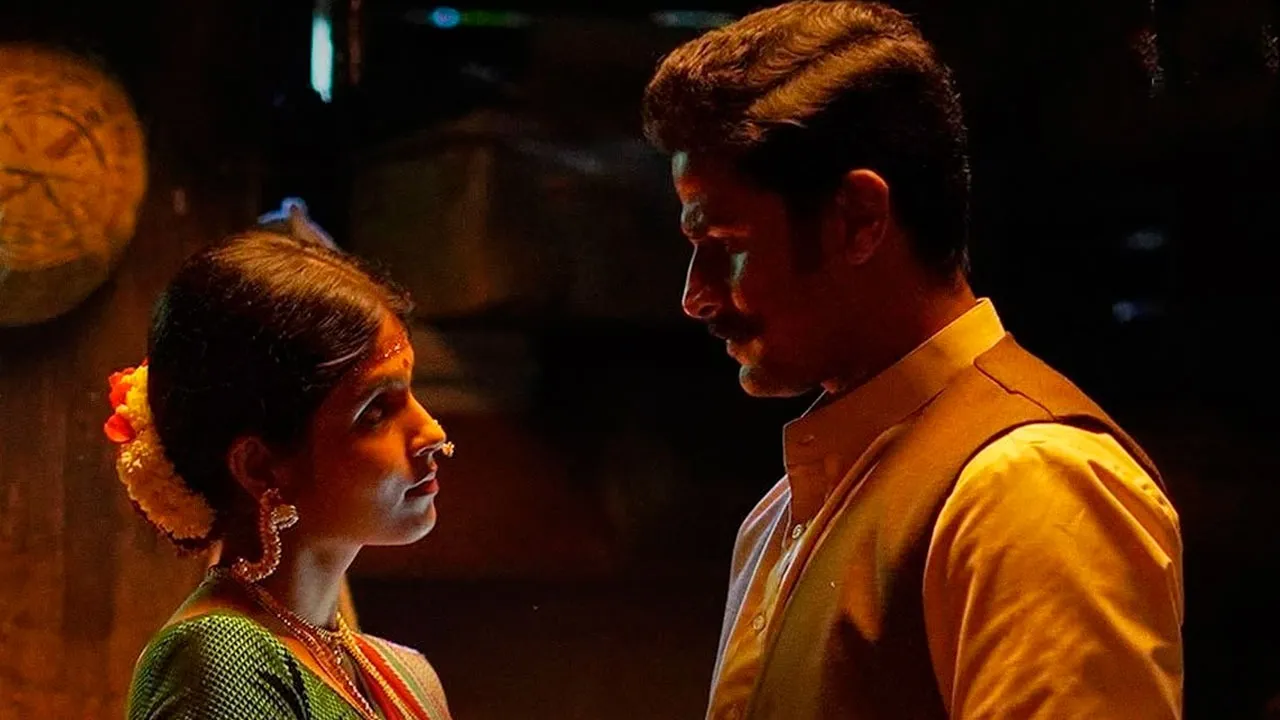
The film is set in rural Maharashtra and unfolds around a midnight celebration. The story follows Suman, played by Ishita Deshmukh, a woman trapped in a troubled marriage. Her life takes a dangerous turn when she becomes involved with Saheba, a Gondhali performer.
As the night-long ceremony progresses, relationships, deception and danger become intertwined with the traditional setting.
This approach allows the film to use the cultural practice not only for its visual and musical elements but also as an important part of the narrative.
Santosh Davakhar’s Personal Connection With the Tradition
Director and writer Santosh Davakhar has spoken about his personal familiarity with the ritual. Having grown up watching such performances, he decided to build a cinematic story around the tradition.
The filmmaker’s familiarity with the cultural practice helped shape the film’s setting and narrative. Rather than treating it as an unfamiliar spectacle, the movie places the ceremony at the centre of its storytelling.
The film’s connection with Maharashtra’s cultural landscape also gives it a distinctly regional identity while exploring themes that can be understood beyond the region.
Gondhal Selected as India’s Official Oscar Entry
The Film Federation of India selected Gondhal as India’s official entry for the 99th Academy Awards from a field of 33 films.
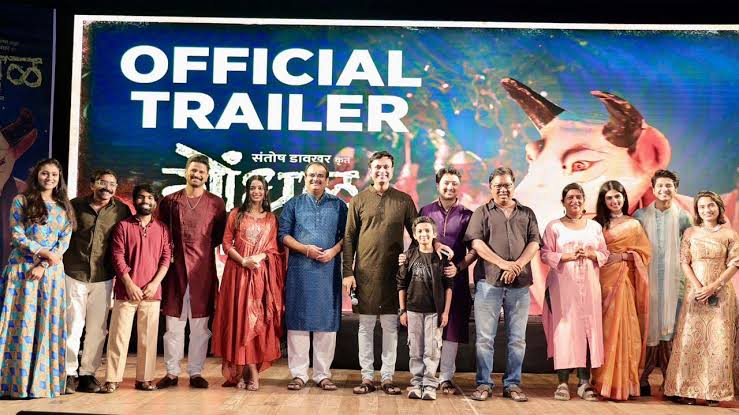
Directed by Santosh Davakhar, the film stars Kishor Kadam, Ishita Deshmukh, Yogesh Sohoni, Nishad Bhoir and Anuj Prabhu in key roles. Veteran composer Ilaiyaraaja has composed the music for the film.
The selection marks the fourth time a Marathi film has been chosen as India’s official Oscar entry, following Shwaas, Harishchandrachi Factory and Court.
Gondhal Takes Maharashtrian Culture to the Global Stage
The selection of the Marathi film has brought renewed attention to a traditional practice that many audiences outside Maharashtra may not be familiar with.
Through cinema, its music, storytelling, devotion and distinctive night-time performances can now reach viewers beyond India. The film offers an opportunity to introduce an important element of Maharashtra’s folk heritage to an international audience.
The 99th Academy Awards are scheduled to take place on March 14, 2027. Before the final nominations, the film will compete in the Academy’s selection process for the Best International Feature Film category.
For now, its Oscar journey has placed the centuries-old Maharashtrian tradition at the centre of international attention.
Click here for the latest news from Bollywood, Hollywood, South Film Industry, Bhojpuri and TV world… Click here to join the Facebook Page, Twitter Page, YouTube page, and Instagram of Bollywood Mascot!

Leave a Comment