


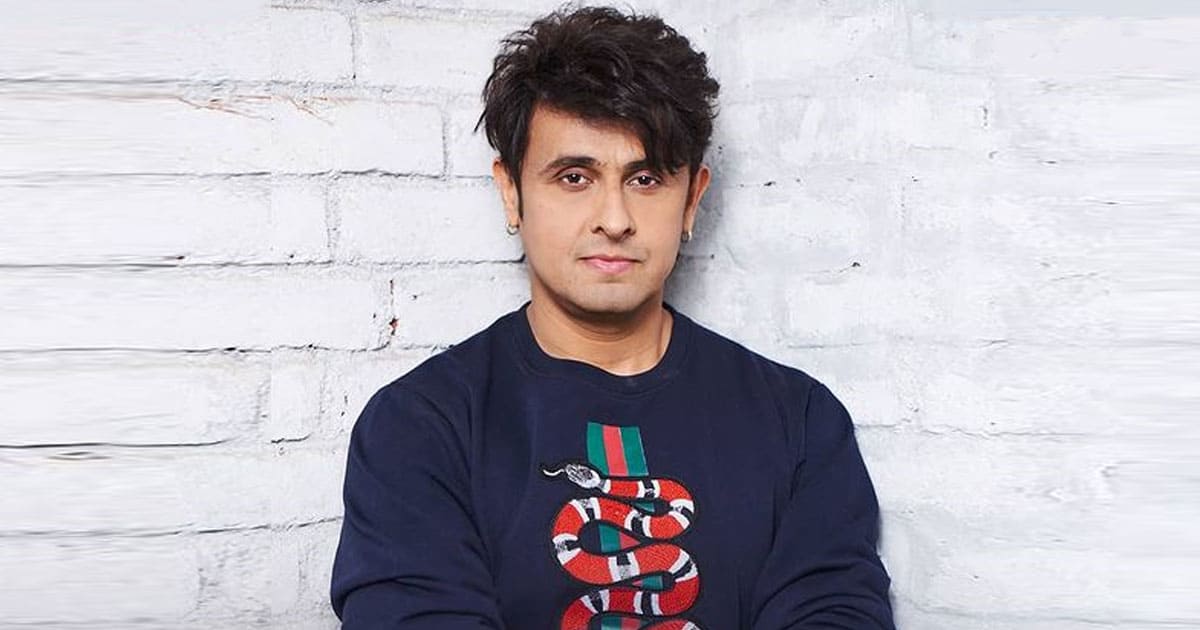
Bollywood Mascot: Singer Sonu Nigam has opened up about his long-running legal battle against a man who allegedly used his name and identity on social media. The dispute involving Sonu Nigam and his namesake, Bihar-based lawyer Sonu Nigam Singh, has now been settled in the Bombay High Court. However, the singer is not completely satisfied with the outcome.
Speaking about the settlement, Sonu Nigam expressed his disappointment and said that the consequences should have been much stricter. The singer went as far as saying, “Saste mein chhoot gaya bahut,” while explaining how seriously he believes the alleged impersonation affected his reputation and family.
The Sonu Nigam impersonator case revolved around the alleged misuse of the singer’s identity on social media. According to Sonu, the account created confusion among users and some posts were wrongly believed to have been made by him.
Sonu Nigam Says His Identity Was Misused for Years
Sonu Nigam explained that he had left X, formerly known as Twitter, back in 2017. Despite this, he alleged that the account operated by his namesake continued to present itself in a way that could make people believe it belonged to the singer.
The singer recalled an example involving President Droupadi Murmu. According to Sonu, if he met the President, the impersonator would allegedly post a photograph as though the singer himself had shared it.
For Sonu, this was not a harmless case of two people having the same name. He believes that his identity, reputation and personal life were put at risk.
The Sonu Nigam impersonator controversy became particularly serious because the account was reportedly being used to post political and communally sensitive content. Since Sonu had stopped using X, some social media users could potentially mistake the account for his.
‘My Family Started Receiving Threats’
One of Sonu Nigam’s biggest concerns was the impact the alleged impersonation had on his family.
The singer claimed that posts made from the account resulted in people directing abuse and threats towards him and his family. He explained that the impersonator would allegedly post something online, after which people would assume that Sonu Nigam himself had made the statement.
This created a situation where the singer could potentially face criticism for things he had never posted.
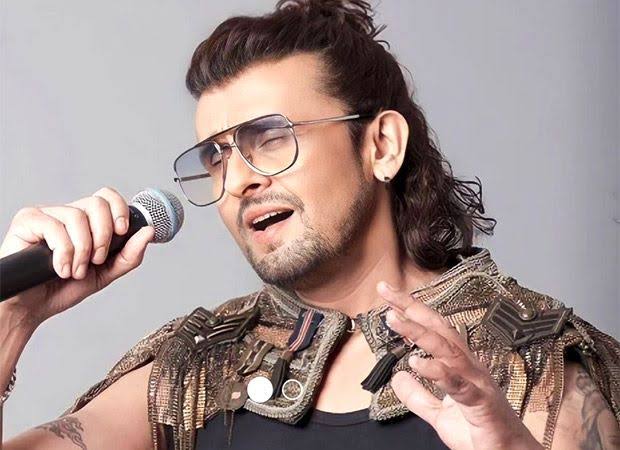
Sonu described this as extremely damaging because a public figure’s name and reputation can be affected very quickly on social media.
He said that while the person behind the account may not have physically harmed him, the alleged misuse of his identity still caused significant damage to his reputation and personal life.
Sonu Nigam Says ‘Such People Should Be Put in Prison’
The singer has been particularly vocal about what he believes should happen in cases involving digital impersonation.
Sonu said that people who deliberately misuse another person’s identity should face serious consequences. He reportedly stated that “such people should be put in prison”, explaining that the damage caused by impersonation can be very serious even when there is no physical violence involved.
His comments highlight a growing concern among celebrities and public figures about the misuse of their names, photographs and identities online.
With social media allowing anyone to create accounts using another person’s name or image, impersonation can potentially affect not only reputation but also personal safety.
The Sonu Nigam impersonator case has therefore raised wider questions about how Indian law protects celebrities from digital identity misuse.
Bombay High Court Settles the Dispute
The legal battle between Sonu Nigam and Sonu Nigam Singh was taken to the Bombay High Court after the singer alleged violations of his personality rights.
The case was eventually resolved after both parties reached an amicable settlement. The court accepted the consent terms submitted by the parties and disposed of the commercial intellectual property suit.
As part of the settlement, Sonu Nigam Singh agreed not to use the singer’s identity, image or likeness without proper authorisation.
The court had also previously passed an interim order restraining the namesake from using “Sonu Nigam” as a display name or account name on social media platforms.
While the legal dispute has now officially been resolved, Sonu Nigam’s comments show that he still feels the consequences were not severe enough.
Why Was Sonu Nigam Unhappy With the Settlement?
Although the case ended through an agreement, Sonu Nigam believes that the alleged damage caused by the impersonation deserved stronger action.
The singer said he was relieved that the court had taken the matter seriously and issued a strict warning. However, he believes that simply stopping the alleged impersonation does not completely address the damage that had already been caused.
His statement, “Saste mein chhoot gaya bahut,” reflects his frustration with the final outcome.
For Sonu, the issue was not merely about someone using a similar name. He believes the alleged impersonator created a false online identity that could be connected to his public image.
Even PM Modi Was Reportedly Following the Account
One of the surprising details mentioned by Sonu Nigam was that even Prime Minister Narendra Modi was reportedly following the account in question.
Sonu referred to this while explaining how easily the account could potentially be mistaken for his.
The singer had quit X in 2017, meaning that anyone unfamiliar with his social media history could potentially assume that the account using his name and photographs was genuine.
This, according to Sonu, made the situation even more dangerous because politically sensitive posts could be attributed to him.
The Sonu Nigam impersonator case therefore involved more than celebrity gossip. It raised questions about digital identity, social media verification and the responsibility of users when sharing or reacting to potentially misleading content.
Sonu Nigam Filed the Case Last Year
Sonu Nigam had approached the Bombay High Court in July last year, seeking protection against the alleged misuse of his name, image, likeness and other aspects of his personality.
His legal action was based on personality rights and intellectual property concerns.
The singer wanted the court to prevent the accused individual and anyone associated with him from using the name “Sonu Nigam” or the singer’s image and likeness without permission.
The court's intervention ultimately resulted in restrictions on the use of the singer’s identity online.
Digital Impersonation Can Be Serious for Celebrities
The Sonu Nigam case highlights a problem that many celebrities and public figures face in the social media era.
A celebrity’s name, photograph and public identity have significant value. If someone uses those elements to create an account and posts controversial statements, followers may believe that the celebrity is responsible.
This can result in reputational damage, online abuse and, in some cases, threats.
Sonu’s allegations about his family receiving threats demonstrate why he believes stronger legal protection is necessary.
The Sonu Nigam impersonator dispute could therefore become an important example of the challenges celebrities face while protecting their digital identity.
Sonu Nigam Wants Stronger Protection for Personality Rights
Despite the settlement, Sonu Nigam appears determined to highlight the need for stronger protection against digital impersonation.
The singer’s comments suggest that simply removing an account or preventing someone from using a celebrity’s name may not be enough when serious reputational harm has allegedly already occurred.
His case also shows how personality rights are becoming increasingly important as celebrities maintain large digital profiles across social media platforms.
For Sonu, the central issue is about protecting his name and ensuring that statements made by someone else are not wrongly attributed to him.
The Sonu Nigam Impersonator Case Ends, But the Debate Continues
The legal dispute may now be over, but Sonu Nigam’s strong reaction has ensured that the controversy remains in the spotlight.
The Bombay High Court settlement means that his namesake has agreed not to use the singer’s identity, image or likeness without authorisation. However, Sonu remains unhappy with what he considers to be the lack of stronger consequences.
His statement “Saste mein chhoot gaya bahut” sums up his frustration with the settlement.
The Sonu Nigam impersonator case also serves as a reminder that social media identity can have real-world consequences. For celebrities, a fake or misleading account can affect reputation, relationships and even personal safety.
For now, Sonu Nigam has received legal protection against further unauthorised use of his identity. But from the singer’s comments, it is clear that he believes the law needs to do more to prevent such incidents and punish those who deliberately misuse someone else’s identity online.
Click here for the latest news from Bollywood, Hollywood, South Film Industry, Bhojpuri and TV world… Click here to join the Facebook Page, Twitter Page, YouTube page, and Instagram of Bollywood Mascot!



Leave a Comment