

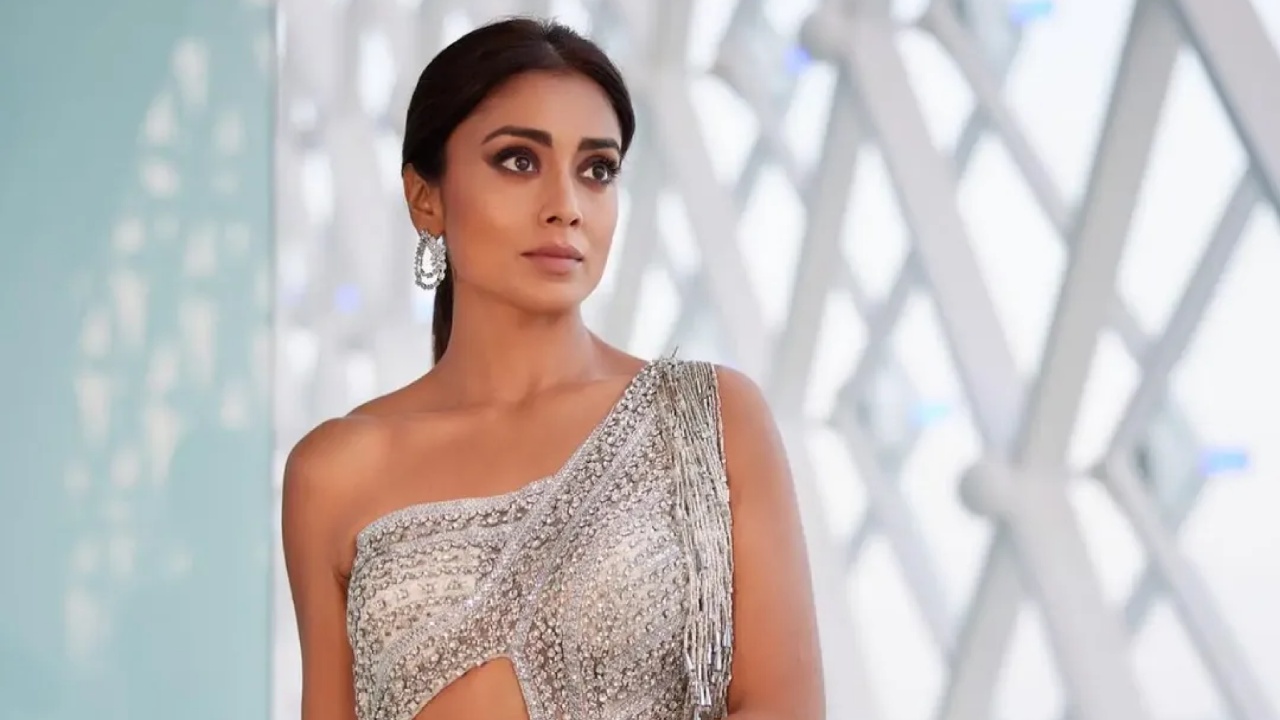
Actress Shriya Saran has raised concerns about the growing misuse of artificial intelligence to create explicit and digitally manipulated images of women. Her remarks have brought renewed attention to a problem affecting celebrities and ordinary people alike, as AI tools make it increasingly easy to alter photographs and circulate misleading content online.
According to a report by News18, Shriya discussed how manipulated images can change a person's appearance and be used to create inappropriate material without consent. Her comments come amid a wider conversation in the entertainment industry about the circulation of AI-generated images and videos that portray women in ways they never agreed to.
The issue has gained further attention following Janhvi Kapoor's recent objection to an AI-altered video involving her and actor Jr NTR. The incident has prompted discussions about digital consent, online safety and the responsibility of social media platforms.
Why Shriya Saran Is Speaking Out Against AI Misuse
Shriya's comments highlight how technology can be used to manipulate a person's image without their permission. Such content can make it appear that someone has posed for photographs or participated in situations that never actually occurred.
For public figures, the consequences can include reputational damage, unwanted attention and repeated circulation of harmful material. The problem is not limited to celebrities: people with ordinary social media profiles can also become targets of manipulated images.
The ability of AI tools to modify faces, bodies and backgrounds has made it harder for audiences to distinguish authentic photographs from fabricated material. Even when an image is eventually identified as fake, it may already have been copied and shared widely.
The central issue is consent. A publicly available photograph does not give others permission to transform it into explicit content or use someone's identity in a misleading way.
Janhvi Kapoor Also Condemned AI-Altered Content
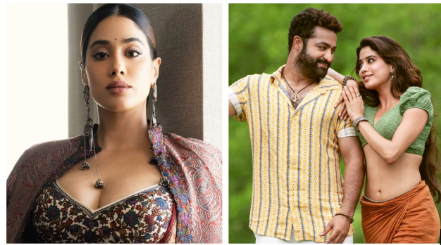
Shriya's comments follow Janhvi Kapoor's public response to an AI-generated video that altered footage associated with her song Chuttamalle from the film Devara. The manipulated clip portrayed the actress in an inappropriate manner that was not part of the original material.
Janhvi criticised the misuse of technology, emphasising that consent, choice and respect for a woman's body should be fundamental. She also drew attention to the broader challenges women face when their images are manipulated or objectified online.
Her response received support from several figures in the entertainment industry, including Jr NTR, who condemned the misuse of artificial intelligence.
The episode demonstrates how AI-generated content can blur the line between genuine footage and fabricated scenes, potentially misleading viewers and harming the person depicted.
How AI Deepfakes Can Affect Women
AI-generated images and videos are increasingly being discussed as a digital safety concern, particularly when they involve non-consensual sexualised material.
Deepfakes use artificial intelligence to create or manipulate a person's likeness, voice or movements. Although the technology can have legitimate applications in filmmaking, visual effects and creative projects, its use to create explicit images without permission raises serious ethical and legal questions.
The impact can extend beyond the initial publication. Victims may experience embarrassment, harassment, anxiety and damage to their professional or personal lives. Repeated reposting can make it difficult to remove the material completely.
The responsibility therefore extends beyond the person who creates the content. Individuals who knowingly distribute manipulated images can also contribute to the harm, while platforms need effective reporting and removal systems.
What Can Victims Do About Non-Consensual AI Images?
People whose photographs have been manipulated into explicit or misleading material can report the content to the relevant social media platform and request its removal. Preserving evidence, such as URLs, screenshots and account details, may help when reporting the incident to authorities.
In India, the government has strengthened its framework for addressing harmful AI-generated material and non-consensual intimate imagery. Official guidance and applicable rules provide mechanisms for reporting unlawful content and requiring platforms to take action.
Victims may also seek assistance through cybercrime reporting channels and law enforcement. They should avoid resharing the material while attempting to raise awareness, as further circulation can increase the harm.
The process can be difficult, especially when content is reposted across multiple accounts, but timely reporting and evidence preservation can help support removal requests and investigations.
Why the Entertainment Industry Needs Stronger Digital Protection
The growing use of AI-generated content has created new challenges for actors, filmmakers and digital platforms. While artificial intelligence can support creative production, its misuse raises questions about privacy, consent and the ownership of a person's likeness.
Shriya Saran's comments add to calls for greater awareness and stronger safeguards against the non-consensual manipulation of women's images. Janhvi Kapoor's experience has similarly shown how a fabricated video can trigger widespread debate even when it does not reflect the original footage.
The issue requires cooperation between technology companies, lawmakers, entertainment professionals and users. Better detection systems, accessible reporting tools and public awareness can help reduce the spread of harmful material.
Ultimately, the debate is not simply about technological advancement. It is about ensuring that innovation does not come at the expense of an individual's dignity, privacy and right to control how their image is used.
Click here for the latest news from Bollywood, Hollywood, South Film Industry, Bhojpuri and TV world… Click here to join the Facebook Page, Twitter Page, YouTube page, and Instagram of Bollywood Mascot!

Leave a Comment