


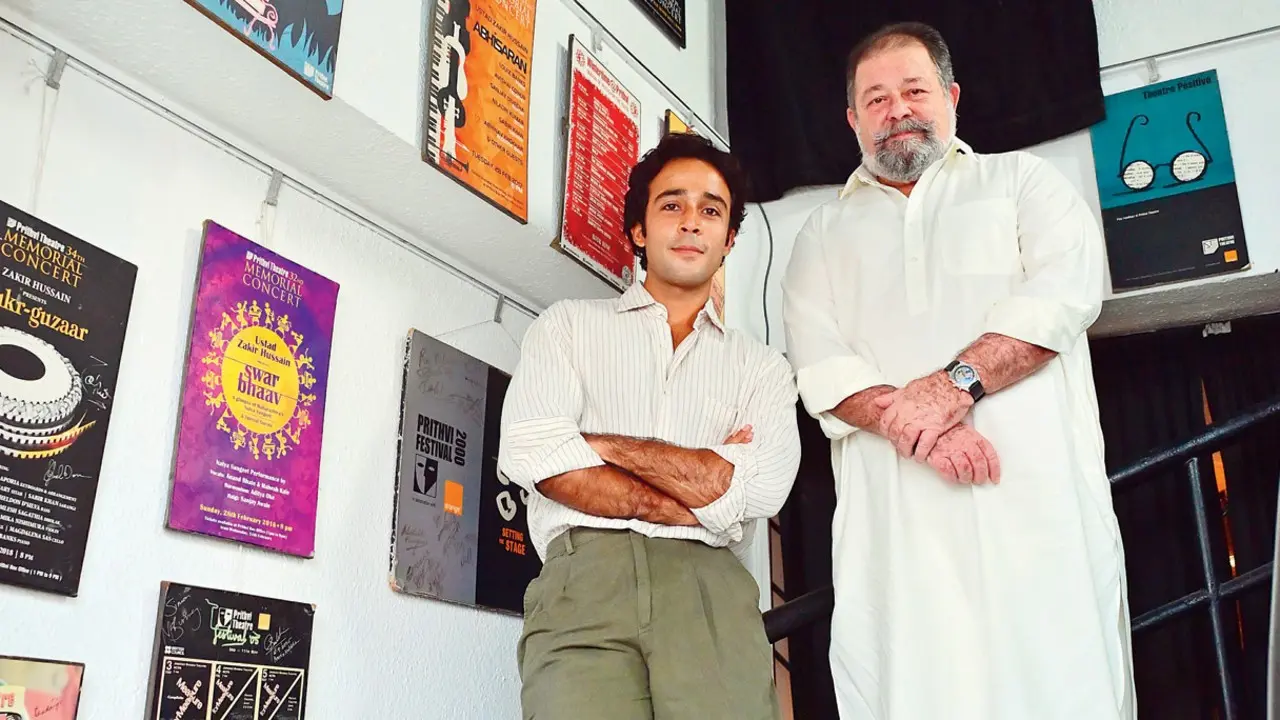
For Kunal Kapoor and Zahan Kapoor, Prithvi Theatre is much more than a performance venue. It is a family legacy, a creative home and a place where generations of actors and theatre lovers have come together. As the institution prepares for the Prithvi Theatre Festival 2026, the two trustees are reflecting on the memories, traditions and challenges that continue to shape its identity.
In a conversation with Mid-day, Kunal and Zahan spoke about growing up around the stage, preserving the theatre’s history and ensuring that its traditions remain relevant to younger audiences. The upcoming festival will run from November 1 to 16, offering theatre enthusiasts an opportunity to experience performances and celebrate the institution’s artistic community.
Established in 1978, Prithvi Theatre has become one of Mumbai’s most recognisable cultural landmarks. Its significance extends beyond the Kapoor family, with generations of performers and audiences contributing to its reputation as a welcoming space for live theatre.
Kunal Kapoor’s Childhood Was Spent Behind the Curtains
Kunal Kapoor’s connection with the theatre began when he was an infant. He recalled spending his earliest months backstage while his mother, Jennifer Kendal, continued acting. His grandparents, Geoffrey Kendal and Laura Kendal, were also closely associated with theatre through their travelling Shakespeareana company.
The performing arts were part of everyday family life. Kunal remembered his mother and grandparents reading Shakespeare’s plays to him as bedtime stories, giving him an early introduction to the world of theatre.
Jennifer Kendal played a significant role in establishing Prithvi Theatre and organised its first festival in 1983. Following her death in 1984, Kunal found himself carrying forward an important part of the family’s cultural inheritance.
Rather than deliberately pursuing the responsibility, he said the legacy gradually became his to protect. His reflections underline how the theatre’s history has been sustained through personal commitment as much as through performances on stage.
Zahan Kapoor Discovers His Own Connection With Theatre
For Zahan Kapoor, the journey towards becoming involved with Prithvi Theatre developed later. He recalled watching the production The Boy Who Stopped Smiling and remembering performances by the late tabla maestro Ustad Zakir Hussain at the Prithvi Memorial Concerts.
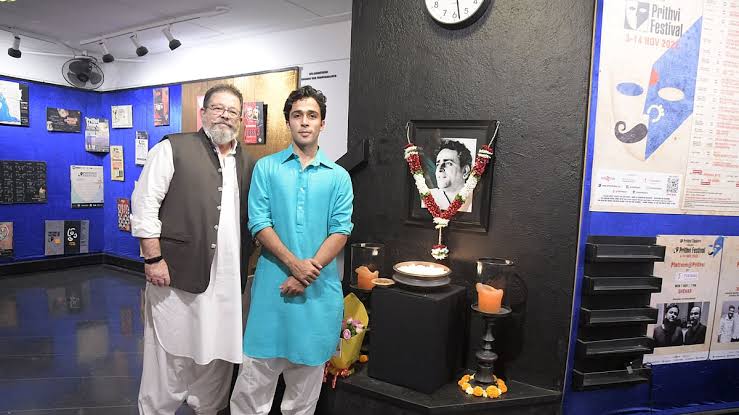
Zahan began taking a more active interest in the institution around 2012, when he was a young adult. His involvement became a parallel journey alongside his own acting career.
As a trustee, he now shares responsibility for preserving the theatre’s identity while helping it connect with contemporary audiences. The challenge is to maintain the institution’s established values without allowing its history to become disconnected from the interests of younger generations.
The Unusual Stories That Became Part of Prithvi Theatre’s History
Over the decades, Prithvi Theatre has accumulated countless stories involving performers, backstage workers and the people who keep the venue running.
One particularly memorable anecdote involves veteran actor Amjad Khan, who was known for frequently drinking tea. Kunal recalled that when the theatre café ran out of milk during one of Khan’s performances, the actor arrived the following morning with two buffaloes. His message was simple: the café should never run out of milk again.
The story captures the informal, affectionate atmosphere associated with the institution, where relationships between artists and staff have become part of its identity.
Other traditions remain important today. Performers gather in the makeup room before the third bell, while theatre companies leave tips for café staff. Even during the COVID-19 lockdown, some groups continued supporting the café workers despite the absence of performances.
Another custom involves keeping the stage illuminated overnight with ghost lights and the chair belonging to Kunal’s grandfather.
Preserving Theatre Archives While Managing Financial Challenges
Documenting Prithvi Theatre’s history is another priority for Zahan. He explained that efforts are underway to record more of the institution’s past and make its archives accessible to a wider audience.
However, maintaining a theatre also involves financial realities. Kunal pointed out that making the economics work remains one of the biggest challenges.
A festival can bring performers, audiences and the wider theatre community together, but the long-term sustainability of a cultural institution requires continuous effort behind the scenes.
This balance between artistic ambition and financial stability remains central to Prithvi Theatre’s future.
Prithvi Theatre Festival 2026 Promises a Celebration of Performance
The upcoming festival will run from November 1 to 16, 2026. Among the performances attracting interest is Naseeruddin Shah’s interpretation of Salman Rushdie’s experience in 27 Seconds, a production that Kunal and Zahan expressed curiosity about.
For the trustees, the festival is not simply about watching individual plays. It is an opportunity for audiences to explore different performances, spend time at the café and connect with artists and fellow theatre enthusiasts.
As Prithvi Theatre continues its journey, Kunal and Zahan Kapoor’s commitment reflects a broader belief: cultural institutions survive when their communities actively participate in them. The festival offers audiences another chance to experience that spirit and help carry the theatre’s legacy into the future.
Click here for the latest news from Bollywood, Hollywood, South Film Industry, Bhojpuri and TV world… Click here to join the Facebook Page, Twitter Page, YouTube page, and Instagram of Bollywood Mascot!




Leave a Comment