


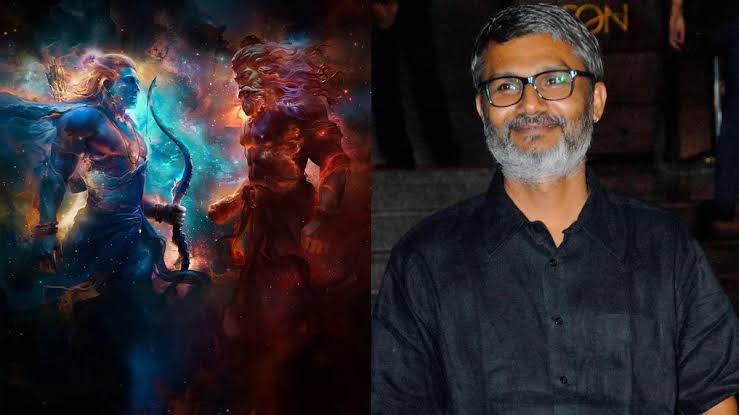
Director Nitesh Tiwari has clarified the use of artificial intelligence in Ramayana: Rise of a Legend after questions emerged about how the upcoming mythological epic was dubbed into multiple languages. Speaking ahead of the film’s world premiere in Los Angeles, Tiwari stated that AI had not been used in the dubbing process.
The clarification comes amid growing interest in the technology behind the film’s multilingual presentation. The English trailer attracted attention for its closely synchronised lip movements, prompting viewers to discuss whether artificial intelligence had been used to modify the performances.
However, the distinction between dubbing and AI-assisted lip synchronisation is important. While human performers provide the voices, the filmmakers have separately discussed using AI-based technology to help match the on-screen actors’ lip movements with translated dialogue.
Nitesh Tiwari Addresses the AI Dubbing Debate
Tiwari’s clarification aims to distinguish the film’s voice performances from the technological tools being used to present the story to international audiences.
Dubbing traditionally involves recording dialogue in another language, with voice artists recreating the emotion, timing and delivery of the original performances. AI tools can be used separately to adjust visual elements, including lip movements, so that the translated dialogue appears more natural on screen.
The filmmaker’s statement that AI was not used in dubbing should therefore be understood in the context of the specific process he addressed. It does not, by itself, establish that artificial intelligence has played no role anywhere in the film’s wider production or localisation workflow.
This distinction has become increasingly relevant as filmmakers explore new ways to make Indian films accessible to audiences who speak different languages.
How AI Technology Is Being Used for Ramayana
Producer Namit Malhotra has previously explained that the film’s multilingual workflow combines human performances with specialised technology.
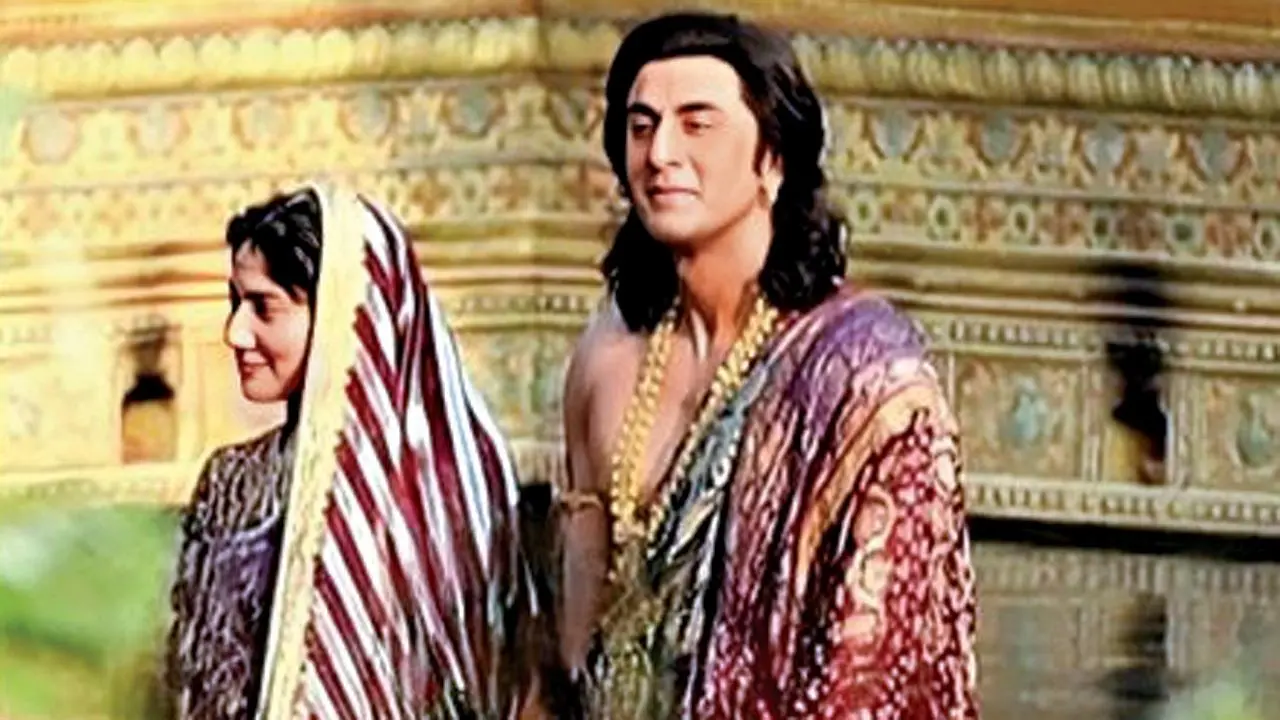
According to Malhotra, voice actors record dialogue in the target language, while human specialists help establish the appropriate lip movements and synchronisation. A bespoke AI-assisted process is then used to integrate the translated performance with the actor’s face on screen.
The objective is to make the dialogue appear more natural and reduce the distraction that can sometimes occur when watching dubbed films.
Malhotra has described the approach as a combination of human creativity and technology. In this process, AI supports the visual presentation rather than replacing the voice actors who deliver the dialogue.
The distinction is significant because the term “AI dubbing” can refer to several different techniques, including synthetic voice generation, voice cloning and automated lip synchronisation. These methods are not interchangeable, and the filmmakers’ explanation focuses on the particular workflow developed for Ramayana.
Ranbir Kapoor, Yash and Sai Pallavi Lead the Epic
Directed by Nitesh Tiwari and produced by Namit Malhotra, Ramayana: Rise of a Legend is a large-scale adaptation of the ancient Indian epic.
Ranbir Kapoor plays Lord Rama, Sai Pallavi portrays Sita, and Yash takes on the role of Ravana. Sunny Deol appears as Hanuman, while Ravi Dubey plays Lakshman.
The first instalment follows Rama’s journey, his exile, Ravana’s abduction of Sita and the events that lead to the epic confrontation between good and evil. The production combines live-action performances with extensive visual effects to bring the story to the screen.
The film is planned as the first part of a two-part adaptation, with the second instalment scheduled for a later release.
Los Angeles Premiere Brings Global Attention
The film’s international launch in Los Angeles has placed its cast, production scale and technical approach in the spotlight. The premiere also offers an opportunity to introduce the project to audiences beyond India.
For the makers, multilingual accessibility could play an important role in reaching international viewers who may prefer watching films in their own languages rather than relying entirely on subtitles.
At the same time, the use of AI in cinema raises broader questions about authenticity, creative control and the role of human performers. Ramayana: Rise of a Legend illustrates how filmmakers are attempting to balance technological innovation with the emotional expression that audiences expect from actors.
Tiwari’s clarification provides an important distinction in the ongoing discussion: the dubbing performances and the technology used to synchronise translated dialogue are separate parts of the process. As the film moves towards its theatrical release, audiences will be able to judge how effectively the combination works on screen.
Click here for the latest news from Bollywood, Hollywood, South Film Industry, Bhojpuri and TV world… Click here to join the Facebook Page, Twitter Page, YouTube page, and Instagram of Bollywood Mascot!



Leave a Comment