


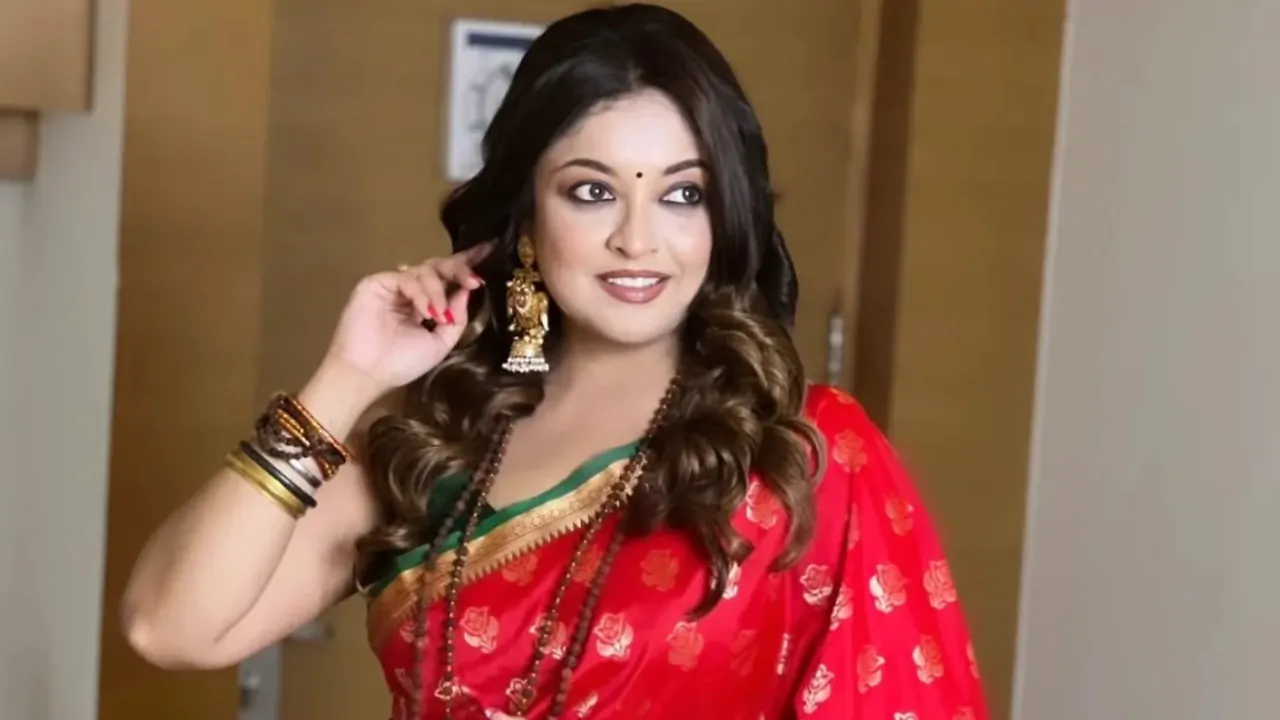
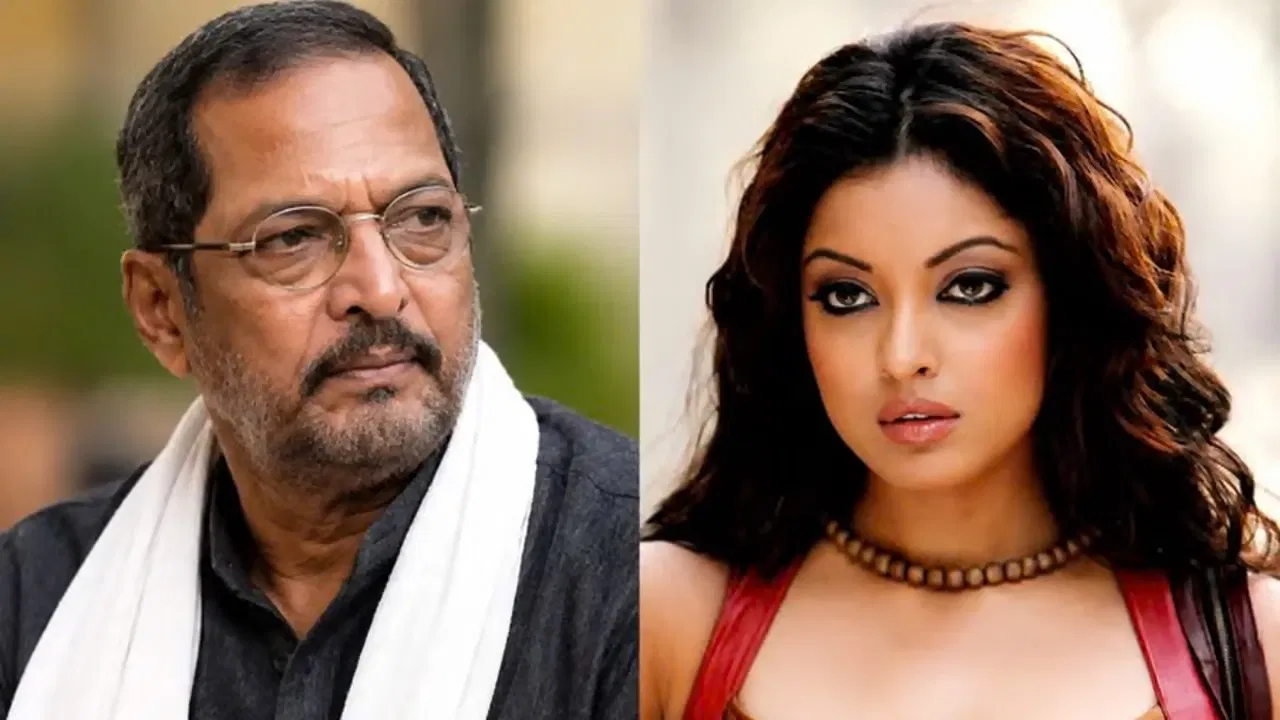
Tanushree Dutta has found support from singer Sona Mohapatra and actress Sandhya Mridul after facing backlash over her remarks following veteran actor Nana Patekar’s death. While the All Indian Cine Workers Association (AICWA) criticised Tanushree’s comments as insensitive, Sona and Sandhya have questioned why the actress is being attacked for continuing to speak about her past experience.
The controversy began after Nana Patekar died on October 8, 2026, at the age of 75. Tanushree, who had accused him of sexual harassment during the 2018 #MeToo movement, made comments about his death that triggered strong reactions online. The latest statements from Sona and Sandhya have brought the conversation back to the issues of accountability, survivors’ experiences and the way society remembers public figures after their deaths.
Sandhya Mridul Asks Whether Death Erases the Harm
Actress Sandhya Mridul came out in support of Tanushree by sharing a message about the lasting impact of alleged abuse. In her Instagram post, she argued that a person’s death does not automatically erase the harm they may have caused or make a survivor’s experience less significant.
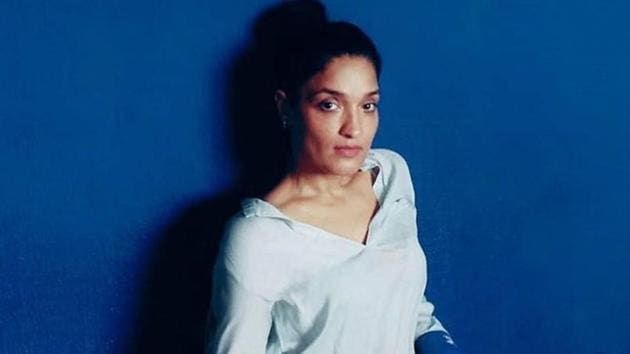
Sandhya emphasised that it is possible to mourn someone who has died while also acknowledging that others may carry painful memories connected to that person. She questioned the tendency to allow public tributes to overshadow the experiences of people who have spoken about alleged misconduct.
In another post, Sandhya asked whether a person stops being an abuser after death and whether the harm associated with their actions simply disappears. She added that survivors may continue to live with their experiences long after the events themselves.
The actress concluded her message by expressing solidarity with survivors and using the hashtag #MeToo. Although she did not need to name Tanushree in every statement, her posts were widely understood as a response to the criticism directed at the actress.
Sona Mohapatra Defends Tanushree Dutta
Singer Sona Mohapatra also spoke out in support of Tanushree through a video shared on social media. She questioned why people were attacking the actress instead of acknowledging the difficult circumstances she has described since speaking publicly about her experience.
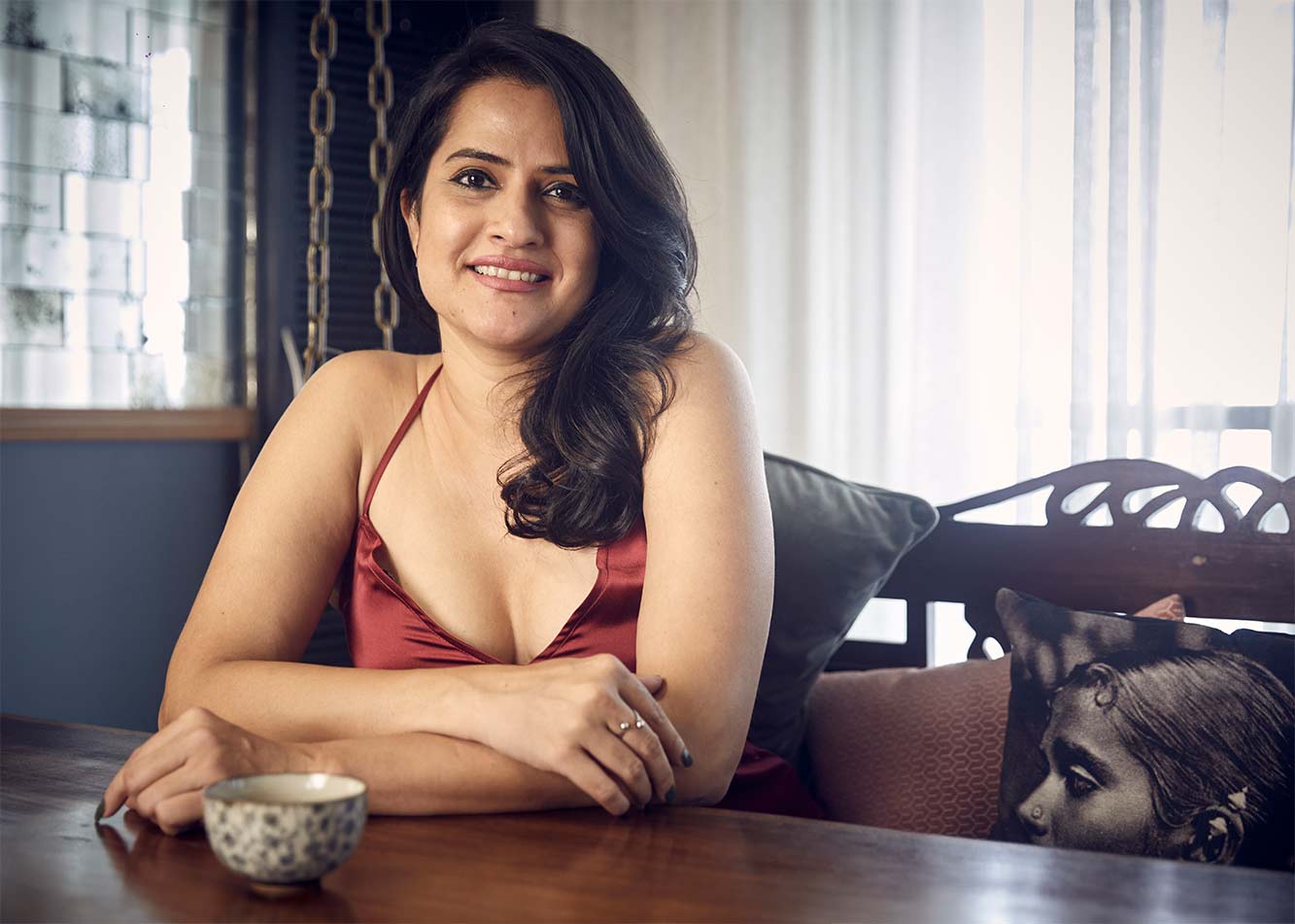
Sona said that while people were entitled to mourn Nana Patekar, it was unfair to expect Tanushree to respond in a particular way simply because the actor had died.
She pointed out that Tanushree had spoken about alleged sexual harassment and had faced public scrutiny after bringing the issue into the spotlight. Sona argued that expecting her to forget the experience or perform a conventional expression of grief ignored the personal consequences she says she faced.
The singer also challenged the questions often directed at people who speak about sexual harassment, including why they did not approach the courts or produce evidence. She questioned whether every incident of alleged harassment necessarily occurs in front of witnesses or can be documented.
Sona’s central argument was that mourning a public figure and listening to someone who has spoken about alleged harm are not mutually exclusive. She also said that fame, talent, charitable work and age should not automatically place anyone beyond criticism.
Why Is Tanushree Dutta Facing Backlash?
Tanushree came under criticism after her reaction to Nana Patekar’s death circulated online. In a social media video, she discussed the news while preparing to travel to Lucknow for a professional event. She indicated that she was unsure how she should react, given the history between them.
Her use of the phrase “evil dead” attracted particularly strong criticism. AICWA condemned the remark, describing it as insensitive and inappropriate at a time when the film industry was mourning Patekar.
Tanushree later maintained that she had spoken from her own perspective and referred to the difficulties she says she experienced over several years. Her comments have divided public opinion, with some criticising the language she used and others arguing that her history with the actor should be considered when interpreting her response.
The debate has now moved beyond the original remark to broader questions about whether public figures should be expected to express grief in a prescribed manner and whether past allegations should continue to be discussed after a person’s death.
Revisiting the 2018 #MeToo Controversy
The dispute between Tanushree Dutta and Nana Patekar became one of the most widely discussed episodes of India’s #MeToo movement in 2018.
Tanushree alleged that Patekar behaved inappropriately towards her during the filming of a song for Horn ‘Ok’ Pleassss. She said the incident took place during the film’s production in 2008. Patekar denied the allegations.
The controversy generated nationwide discussion about workplace safety, consent, power dynamics and the treatment of women in the entertainment industry. It also placed renewed attention on the difficulties people may face when speaking publicly about alleged misconduct.
Mumbai Police investigated the matter and submitted a closure report in 2019, citing insufficient evidence to proceed. Patekar consistently denied the allegations, and the legal developments should be distinguished from the competing accounts publicly presented by the two sides.
Tanushree has continued to discuss her experience, while the latest support from Sona and Sandhya has revived conversations about how survivors are treated when they speak out.
A Wider Debate About Mourning and Accountability
The reactions from Sona Mohapatra and Sandhya Mridul have highlighted a difficult distinction: remembering an actor’s contribution to cinema does not necessarily require ignoring controversies associated with their life.
Nana Patekar was widely recognised for performances in films such as Parinda, Krantiveer, Agni Sakshi and Natsamrat. Following his death, colleagues and fans shared tributes celebrating his acting career and social work.
At the same time, Tanushree’s remarks have reopened discussion about the allegations she made and the response she received. Sona and Sandhya have argued that public mourning should not erase the experiences of people who say they were harmed.
The debate remains emotionally charged, with differing views on Tanushree’s language and the continuing relevance of the #MeToo controversy. Their statements have nevertheless placed an important question at the centre of the conversation: can society acknowledge a person’s artistic legacy while still allowing difficult allegations and survivors’ experiences to be discussed?
Click here for the latest news from Bollywood, Hollywood, South Film Industry, Bhojpuri and TV world… Click here to join the Facebook Page, Twitter Page, YouTube page, and Instagram of Bollywood Mascot!
Leave a Comment