


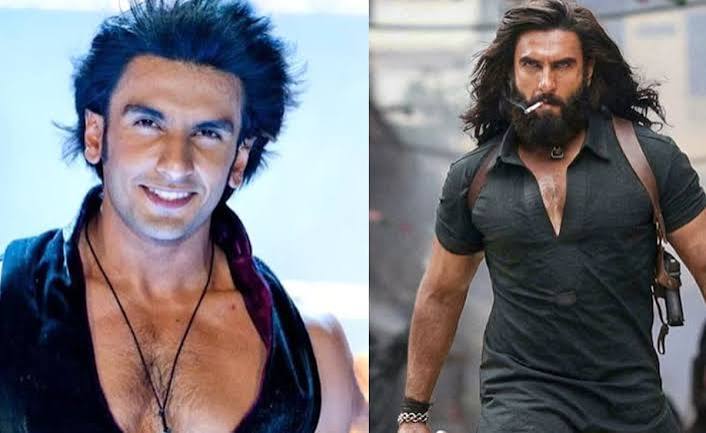
Ranveer Singh’s Dhurandhar proved that a big Bollywood film does not always need an extensive promotional campaign to attract audiences. Directed by Aditya Dhar, the film became a major box-office success despite a relatively restrained marketing strategy that surprised many industry observers before its release.
Now, Varun Gupta, founder of Max Marketing, the agency behind the film’s promotional campaign, has explained the thinking behind the decision. In an interview with The Indian Express, Gupta revealed that the team consciously chose to let the film and its promotional material speak for themselves rather than depend heavily on Ranveer’s interviews, media appearances and promotional tours.
The decision attracted criticism before the film reached cinemas. However, the team remained committed to its approach, believing that the story and the way it was presented would create the desired impact.
Why the Makers Did Not Rely on Ranveer Singh’s Promotions
According to Gupta, the decision to limit the actor’s promotional appearances was taken jointly by the marketing team, director, producers and actor. He explained that Ranveer had not experienced a particularly successful run before Dhurandhar, prompting the team to adopt a carefully considered strategy.
The idea was to let audiences engage with the film itself instead of making the campaign revolve around the lead actor’s public appearances.
In Bollywood, it is common for stars to participate in interviews, visit cities, attend promotional events and interact with fans before a major release. These activities can increase visibility and help build anticipation. However, Gupta suggested that the same promotional formula does not work equally well for every film.
For Dhurandhar, the team believed that keeping the campaign focused on the film would be more effective than repeatedly featuring its cast in promotional activities.
A 3.5-Minute Promotional Video Created Early Buzz
One of the unusual decisions involved releasing a promotional asset lasting approximately three and a half minutes around six months before the film’s theatrical release.
Gupta said he could not recall a similar approach being used for a Hindi film before Dhurandhar. He explained that the makers and actors trusted the idea, allowing the marketing team to proceed with the plan.
The campaign had also begun taking shape before the film’s final star cast was announced. Gupta revealed that Max Marketing joined the project at an early stage and heard the script when it was still being developed as a single film rather than two separate instalments.
As the project evolved, the team adjusted its promotional plans to reflect changes in the film’s presentation. The early involvement allowed the marketers to understand the story and develop a campaign around its overall identity.
Aditya Dhar Stood by the Marketing Team Amid Criticism
Gupta recalled that the campaign faced considerable criticism before Dhurandhar was released. Some people questioned the lack of visible promotions and argued that the film was not generating enough buzz.
According to Gupta, negative commentary appeared even as the marketing team continued working on its planned strategy. He credited Aditya Dhar and his team at B62 Studios for maintaining their confidence in the campaign instead of reacting to every criticism.
Gupta said Dhar would share articles questioning the promotional approach but continued to reassure the team. That trust, he explained, motivated the marketers to work even harder for the film.
He also alleged that paid smear campaigns can influence public discussion around films. These remarks represent Gupta’s claims and do not independently establish that any particular criticism of Dhurandhar was paid for.
Why the Team Avoided Overselling the Film
Another important element of the strategy was the decision not to promote Dhurandhar by repeatedly highlighting its action sequences, songs or patriotic themes.
Gupta explained that the film contained several elements that could have been used extensively in advertisements, but the team did not want to oversell any one aspect. Instead, it preferred to give audiences a sense of the film without revealing too much or making the campaign feel excessive.
This approach was intended to preserve curiosity and allow viewers to form their own opinions after watching the movie.
The strategy also reflected a broader challenge in film marketing: actors can face criticism whether they promote a film extensively or remain relatively absent from public events. Gupta argued that there is no single formula that guarantees the right response from audiences.
Dhurandhar’s Box Office Success Changed the Conversation
Dhurandhar, which was released on December 5, 2025, went on to earn more than ₹1,300 crore worldwide, according to reported box-office figures. Its success strengthened the case for the team’s content-first approach, although it does not mean that restrained promotion will work for every film.
The franchise continued with Dhurandhar: The Revenge, released on March 19, 2026. The two films have reportedly collected more than ₹3,100 crore combined worldwide.
For Gupta and his team, the experience highlights the importance of understanding a film before deciding how to market it. Rather than automatically following Bollywood’s traditional promotional playbook, the Dhurandhar campaign focused on building curiosity and trusting the material.
The film’s performance has turned that unconventional decision into a notable example of how a carefully planned marketing strategy can help a major release stand out.
Click here for the latest news from Bollywood, Hollywood, South Film Industry, Bhojpuri and TV world… Click here to join the Facebook Page, Twitter Page, YouTube page, and Instagram of Bollywood Mascot!


Leave a Comment