


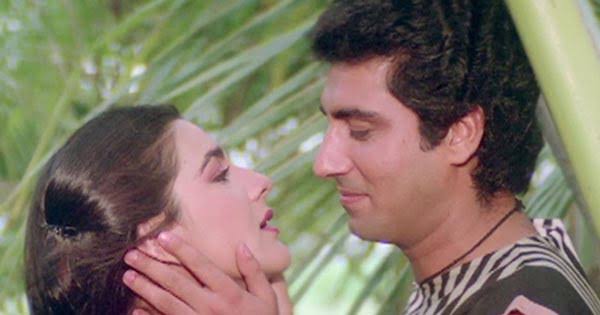
There are some Bollywood songs that seem to become more meaningful with time. “Mere Pyaar Ki Umar Ho Itni Sanam” from the 1988 film Waaris is one such melody. More than three decades after its release, the song continues to be heard on radio stations and old Hindi music playlists.
The romantic number, sung by Lata Mangeshkar and Manmohan Singh, was picturised on Amrita Singh and Raj Babbar. Its simple expression of lifelong love helped it connect with listeners, while Lata Mangeshkar’s voice gave the song its unmistakable emotional quality.
‘Mere Pyaar Ki Umar’ Became A Song Of First Love
The central line of the song—about wanting love to begin and end with the same person—gave it a timeless romantic quality.
Rather than relying on complicated imagery, the lyrics express the desire for a relationship that lasts a lifetime. That simplicity is one reason the song continues to resonate with listeners who associate it with their own memories of love and relationships.
For many listeners, hearing the melody years later can bring back memories of their first love, old friendships or a particular period of their lives. That emotional connection has helped the song remain relevant long after its original release.
Lata Mangeshkar And Manmohan Singh Gave The Song Its Voice
Lata Mangeshkar provided the female playback vocals for Amrita Singh’s character, while Manmohan Singh lent his voice to Raj Babbar’s character in the song.
The contrast between their voices gives the track the feel of a conversation between two lovers. Lata’s expressive singing, in particular, became an important part of the song’s enduring appeal.
The track was reportedly in strong demand on radio stations when it was originally released, including broadcasts on Vividh Bharati and All India Radio centres.
The Song Was Featured In The 1988 Film Waaris
“Mere Pyaar Ki Umar Ho Itni Sanam” appeared in Waaris, a 1988 Hindi film directed by Ravindra Peepat. The movie featured Raj Babbar, Amrita Singh and Smita Patil in important roles, along with Raj Kiran, Amrish Puri and Kulbhushan Kharbanda.
The film was based on Sohan Singh Hans’ Punjabi novel Kaale Haathi and revolved around themes involving family, land and inheritance. It was released on May 6, 1988.
Music for the film was composed by Uttam Singh and Jagdish Sodhi, while Verma Malik wrote the lyrics.
Why The Song Became Associated With Raj Babbar And Smita Patil
Over the years, the song acquired an additional emotional association because of the personal history involving Raj Babbar and Smita Patil.
The song itself is picturised on Raj Babbar and Amrita Singh, but after Smita Patil’s death, some listeners began connecting its lyrics with the relationship between Raj Babbar and Smita Patil. This interpretation became part of the song’s broader cultural memory, although it is important to distinguish this later association from the film’s actual picturisation.
Smita Patil was also a key part of Waaris. Her untimely death at the age of 31 left the film’s production incomplete, and actress Rekha later provided dubbing for her character so that the film could be completed.
The Lyrics Still Carry The Same Emotional Appeal
One of the biggest reasons the song has survived for 38 years is its uncomplicated emotional message.
The idea of wishing for love to last as long as life itself remains relatable across generations. Unlike songs built around a particular trend or musical style, “Mere Pyaar Ki Umar Ho Itni Sanam” is driven primarily by its melody and sentiment.
That makes it easy for newer generations to discover through radio, streaming platforms and classic Bollywood playlists.
Why Old Bollywood Songs Continue To Find New Listeners
The continued popularity of “Mere Pyaar Ki Umar” is also part of a larger nostalgia for Hindi film music from the 1980s and 1990s.
For audiences who grew up listening to these songs, they often carry memories of childhood, college, first relationships and family gatherings. For younger listeners, meanwhile, the songs offer a glimpse into a different era of Bollywood music, when melodies and lyrics often took centre stage.
Lata Mangeshkar’s extensive catalogue continues to benefit from this cross-generational appeal.
38 Years On, ‘Mere Pyaar Ki Umar’ Remains An Evergreen Romantic Classic
Thirty-eight years after Waaris introduced the song to audiences, “Mere Pyaar Ki Umar Ho Itni Sanam” continues to occupy a special place among classic Hindi romantic songs.
The combination of Lata Mangeshkar’s voice, Manmohan Singh’s vocals, Verma Malik’s lyrics and the performances of Amrita Singh and Raj Babbar gave the song a distinctive identity.
Its continued presence on radio and old-song playlists shows how certain melodies can outlive their films and become part of listeners’ personal memories.
For anyone who has ever associated a song with their first love, an old relationship or a cherished moment from the past, this 38-year-old melody remains capable of bringing those emotions back with just a few notes.
Click here for the latest news from Bollywood, Hollywood, South Film Industry, Bhojpuri and TV world… Click here to join the Facebook Page, Twitter Page, YouTube page, and Instagram of Bollywood Mascot!



Leave a Comment